CONFIRMED
Yvonne Aki-Sawyerr
Mayor
City of Freetown
THE CITY IS OUR COMMON GROUND.
Three days of ideas, dialogue, and practical approaches to the cities we want to live in.
700+ confirmed attendees
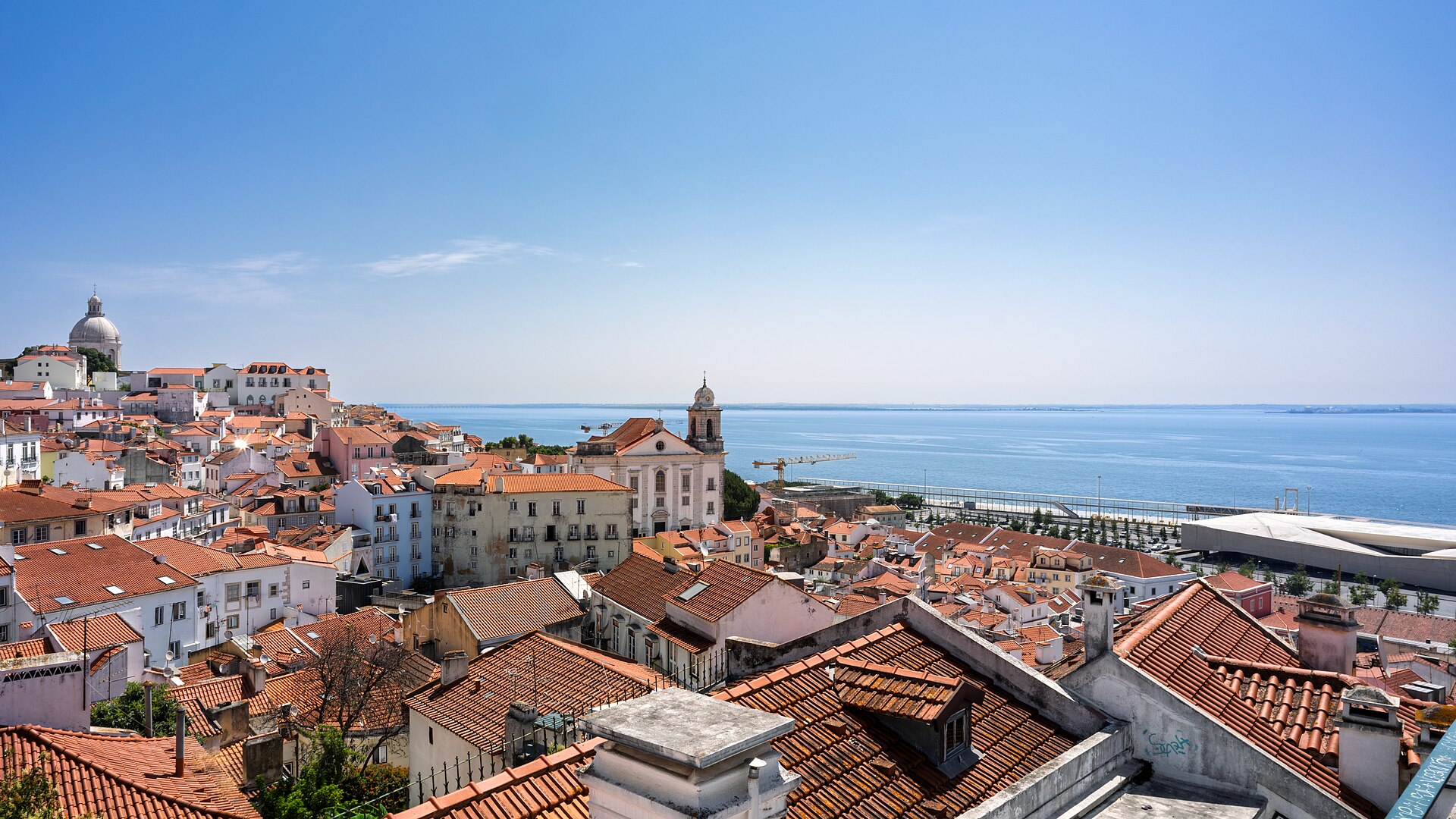
Photo: Dale Cruse / Wikimedia Commons · CC BY 4.0 · Cropped.
01 / THE CONFERENCE
Smart Cities Summit is a gathering for city leaders, researchers, planners, and innovators to explore how technology and public policy can improve everyday life.
From mobility and housing to climate resilience and inclusive governance, the conversation begins with people and the places they call home.
02 / FULL PROGRAM
19–21 November 2026
All times local to Lisbon · WET (UTC+0)
19 sessions
Welcome to Smart Cities Summit and an introduction to three days of conversation on people, places, and urban innovation.
09:00–09:30 · Main stage
How city leaders can translate public priorities into services, investments, and measurable improvements in daily life.
09:30–10:30 · Main stage
Meet fellow participants and continue the morning conversation.
10:30–11:00 · Networking area
A talk exploring how spatial information can help cities understand local needs, compare priorities, and communicate decisions.
11:00–12:00 · Main stage
Time for lunch and informal conversations. Catering arrangements are provisional.
12:00–13:30 · Networking area
Explore the role of standards and interoperability in making urban technologies work together.
13:30–14:30 · Main stage
A working session to identify a local challenge, map stakeholders, and define practical next steps.
14:45–16:00 · Workshop room
Discuss how community participation and local knowledge can shape urban climate action.
09:00–10:00 · Main stage
Examine how city networks can support implementation, learning, and collaboration across borders.
10:15–11:15 · Main stage
Continue discussions and connect with peers working on similar urban challenges.
11:15–11:45 · Networking area
Explore how mobility and land use choices affect access to jobs, services, and public space.
11:45–12:45 · Main stage
Time for lunch and informal conversations. Catering arrangements are provisional.
12:45–14:00 · Networking area
A discussion of affordability, neighborhood opportunity, and the distribution of urban services.
14:00–15:00 · Main stage
An interactive workshop exploring how cities can support local livelihoods, protect aquatic ecosystems, and identify opportunities for a sustainable blue economy.
15:15–16:15 · Workshop room
Explore the relationship between rivers, coastal environments, livelihoods, and urban development.
09:00–10:00 · Main stage
Identify ways to involve communities throughout the life of a project, from defining needs to evaluating results.
10:15–11:15 · Workshop room
A final opportunity to exchange ideas before the closing working sessions.
11:15–11:45 · Networking area
Develop a collaboration outline with shared objectives, responsibilities, and next steps.
11:45–12:45 · Workshop room
Reflect on the conference themes and identify practical ideas to take back to your city or organization.
12:45–13:30 · Main stage
No sessions match these filters. Try another topic or clear the filters.
03 / SPEAKERS & ORGANIZATIONS
City leadership. Spatial insight.
Ideas that connect people and place.
Alphabetical by surname. Participation status is shown on each profile.
Mayor
City of Freetown
Global Director
WRI Ross Center for Sustainable Cities
Mayor
City of Athens
Innovation leader
Aitec Paris
Researcher
Mohammed VI Polytechnic University
Researcher
Autonomous University of Madrid
Director of Technology
City of Lisbon
Deputy Director
ITU Telecommunication Standardization Bureau
Researcher
University of Lisbon
Co-Managing Director
Global Covenant of Mayors
Data Strategist & Researcher
GIS Corp / City of Gainesville, USA
Founder, BABLE Smart Cities
BABLE Smart Cities · Germany
Chief Information Officer
City of Raleigh, North Carolina, USA
City Leadership
Lisbon
Data Analyst
Czech Technical University in Prague
And more speakers to be announced.
SPEAKER ORGANIZATIONS
Affiliations of the people shown above; not a list of confirmed event partners.
04 / THE MEETING PLACE
A riverside setting for conversations that reach beyond borders.
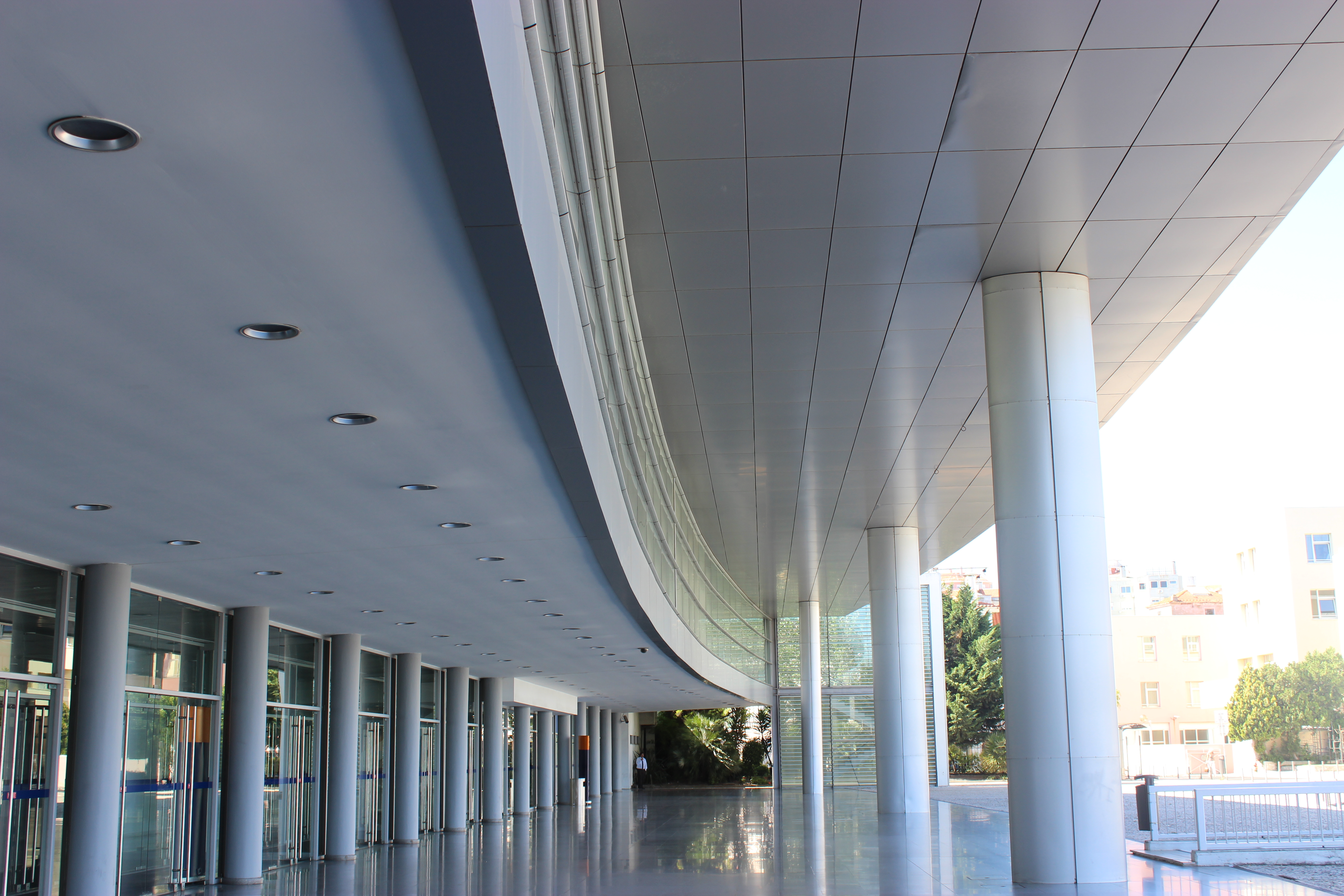
Centro de Congressos de Lisboa · CCL
Near the Tagus River and the historic Belém area, CCL brings conference, meeting, and exhibition spaces together in one versatile venue.
Venue confirmed for 19–21 November 2026.
Explore the official venue website ↗05 / PASSES & ATTENDANCE
700+ confirmed attendees.
See you in Lisbon.
DISCOVER
For exploring ideas and making new connections.
GO DEEPER
For a fuller conversation across all three days.
PUBLIC IMPACT
For teams in the public sector shaping urban change.
Registration is now closed for all pass types.
AFTER THE SUMMIT / 23–27 NOVEMBER 2026
Sintra, Portugal · Marrakech, Morocco
Four field days after the Lisbon summit
Same questions. Different environments.
Complementary discussions.
How can places welcome visitors, support local livelihoods, and protect heritage while remaining accessible and livable for the people who call them home?
The Sintra and Marrakech Living Lab takes the summit conversation into streets, landscapes, and community spaces. In Sintra, the inquiry begins with connections between the historic town, its hills and heritage destinations: who can reach them, how people move, and how conservation and everyday life meet. In Marrakech, it continues through neighborhood streets, cycling initiatives, and spaces of cultural exchange, exploring how mobility and public space support work, belonging, and participation.
Neither place is a template for the other. Participants carry the same questions between two settings, listen to local perspectives, and revisit their assumptions. Sintra opens a discussion about managing access within a cultural landscape; Marrakech broadens it through social enterprise and community knowledge. Together, the visits ask what makes an urban solution useful, fair, and appropriate to its place.
01 / SINTRA · PORTUGAL
Monday 23 & Tuesday 24 November
A field inquiry into the connections between resident needs, visitor movement, accessible heritage, and landscape stewardship.
Opening discussion and a field walk linking transport arrival points, the historic center, and a selected heritage setting. Small teams record access barriers, resting places, movement patterns, and the relationship between local services and visitor activity.
Review observations with local contributors and develop a small intervention concept, such as clearer wayfinding or a more comfortable walking connection. Record the tradeoffs and questions to take to Marrakech.
02 / MARRAKECH · MOROCCO
Thursday 26 & Friday 27 November
The same inquiry in a different setting, connecting experience at street level with youth opportunity, cultural participation, and neighborhood economies.
A neighborhood walk or guided cycle experience, followed by discussion with local contributors. Teams use the Sintra observation framework to examine shared streets, access to services, and the ways public space supports work and social life.
A collaborative workshop brings the two settings into dialogue. Teams revise their ideas with local feedback and outline a small, locally chosen pilot, with a potential owner, practical measures, and a subsequent review.
Wednesday 25 November / Travel & reflection
A day reserved for travel between Portugal and Morocco and individual reflection. Travel arrangements are not yet confirmed.
A comparative field notebook, two locally grounded intervention concepts, and a shared account of what can transfer between places and what must change. Any test at a field site will be agreed with local partners, with responsibilities and subsequent reviews established before implementation.
The four field days are designed as the opening phase of a living lab: observation, shared problem definition, and pilot design, followed by testing and evaluation where local partners choose to continue.
The living lab will take place in Sintra and Marrakech from 23 to 27 November 2026. Living lab registration will take place at summit check in. Limited space available.
LISBON · 19–21 NOVEMBER 2026